Emergency Room
A fully equipped, freestanding Emergency Room in Fountain Hills — board-certified providers on site around the clock, with CT, X-ray and a full laboratory in the building. No appointment. No referral. Just walk in.
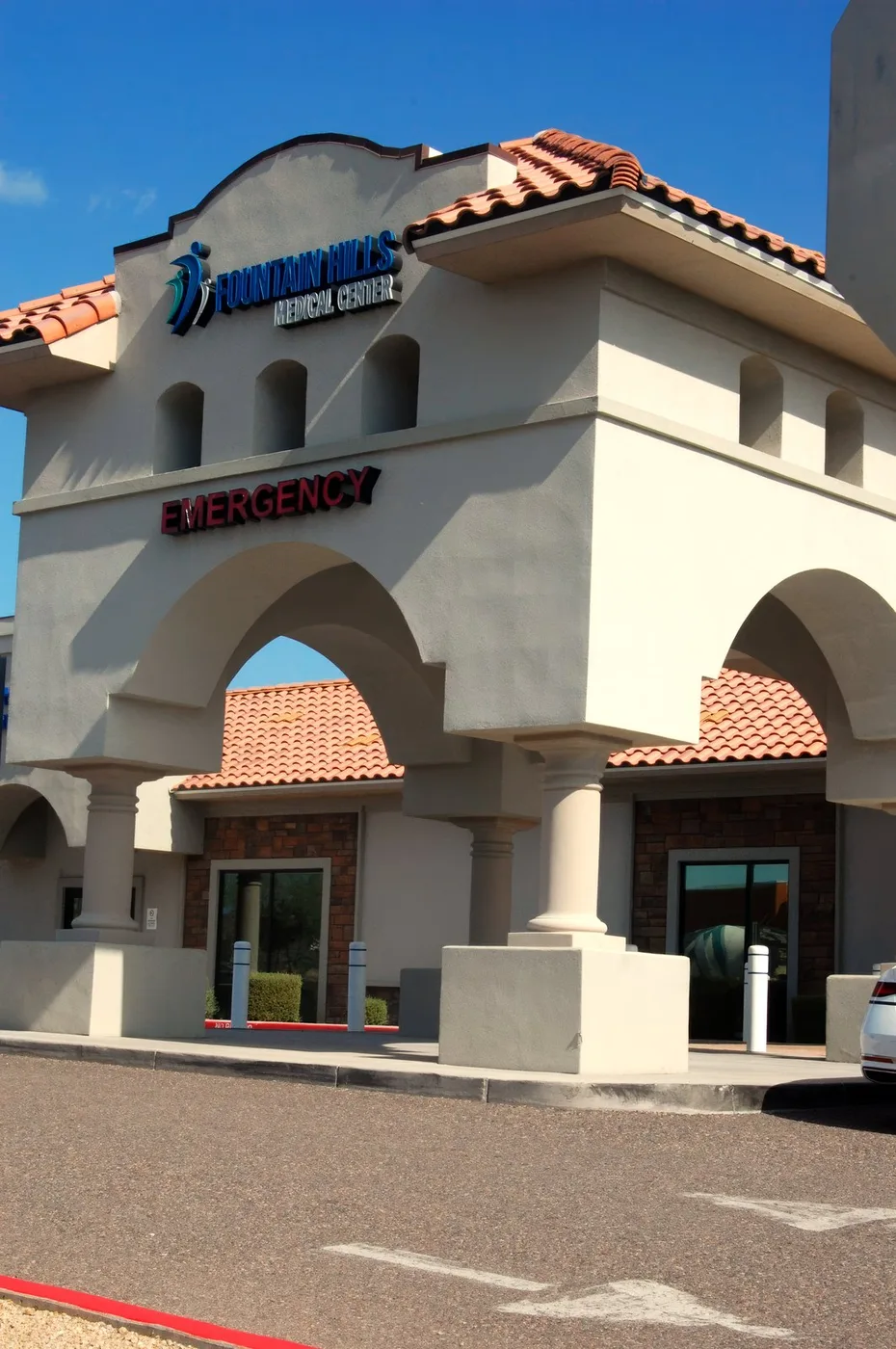
Paramedics begin treatment on the way and can alert us before you arrive. Do not drive yourself if you are having chest pain or stroke symptoms.
Conditions we treat as emergencies
If any of these describe you or someone with you, come in now — or call 911. When in doubt, come in. Being assessed and sent home relieved is a good outcome.
Heart, breathing and severe reactions
-
Chest pain or pressure Especially with sweating, nausea, or pain spreading to the arm or jaw
-
Trouble breathing Shortness of breath at rest, wheezing, or choking
-
Severe allergic reaction Swelling of the lips or throat, hives with breathing difficulty
Stroke, head injury and sudden headache
-
Stroke symptoms Face drooping, arm weakness, slurred speech, sudden confusion
-
Sudden severe headache The "worst headache of my life", or with vision changes
-
Head injury Any loss of consciousness, confusion, repeated vomiting after a blow
Injuries and bleeding
-
Serious injuries Falls, deep cuts, possible broken bones, sports and work injuries
-
Uncontrolled bleeding Bleeding that does not slow with firm pressure
Arizona and the desert
-
Heat illness & dehydration Confusion, no sweating, fainting — Arizona heat emergencies escalate fast
-
Snake bites & scorpion stings Rattlesnake bites are always an emergency — come in immediately
Severe pain, fever and infection
-
Severe abdominal pain Sudden, intense, or with fever and vomiting
-
High fever with stiff neck Particularly in children, or with a rash or severe headache
For check-ups, prescription refills, colds, and ongoing conditions, our Medical Clinic is the right door — and usually the faster, lower-cost one.
What makes this a real emergency room
Freestanding emergency rooms and urgent care clinics look similar from the parking lot. They are not the same, and the difference matters when something is seriously wrong.
Emergency physicians, on site
Board-certified providers are here 24 hours a day — not on call, not a nurse practitioner working alone. Urgent care clinics are typically not staffed this way.
Hospital-grade diagnostics
CT scanning, digital X-ray and a full clinical laboratory are inside this building. Ultrasound is different: we arrange it through a mobile service, which can often come to the ER before you are discharged if it is requested early enough, and is otherwise scheduled for the next day. Most urgent care clinics have none of these and must send you elsewhere.
Equipped to stabilize
We are built and staffed to treat life-threatening emergencies and to stabilize and transfer patients who need hospital admission — with transfer arrangements already in place.
Answers before you leave, not next week
Every diagnostic test we need is in this building, read by our providers while you are still here. There is no second appointment across the Valley, and no referral needed before a result can change your treatment.
-
CT scanning
Head, chest, abdomen — for strokes, bleeds, appendicitis, and internal injuries.
-
Digital X-ray
Fractures, dislocations, chest imaging for pneumonia and breathing problems.
-
Ultrasound — mobile service
Abdominal and vascular imaging with no radiation exposure. Called in from an outside provider rather than kept here: often during your visit if requested early, otherwise scheduled for the next day.
-
Full clinical laboratory
Cardiac enzymes, blood counts, infection markers, and toxicology — run on site.
-
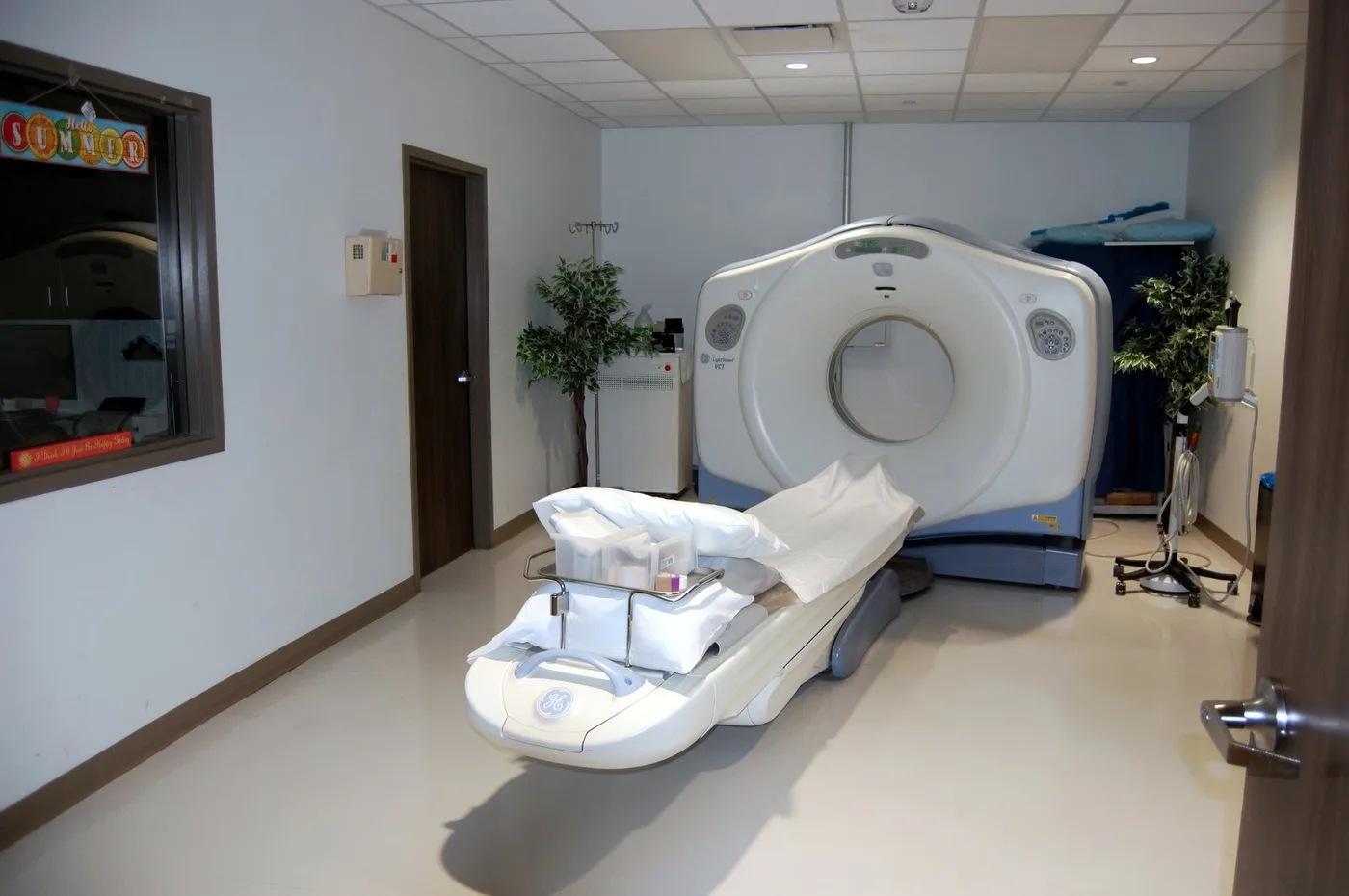 CT scanner — in this building
-
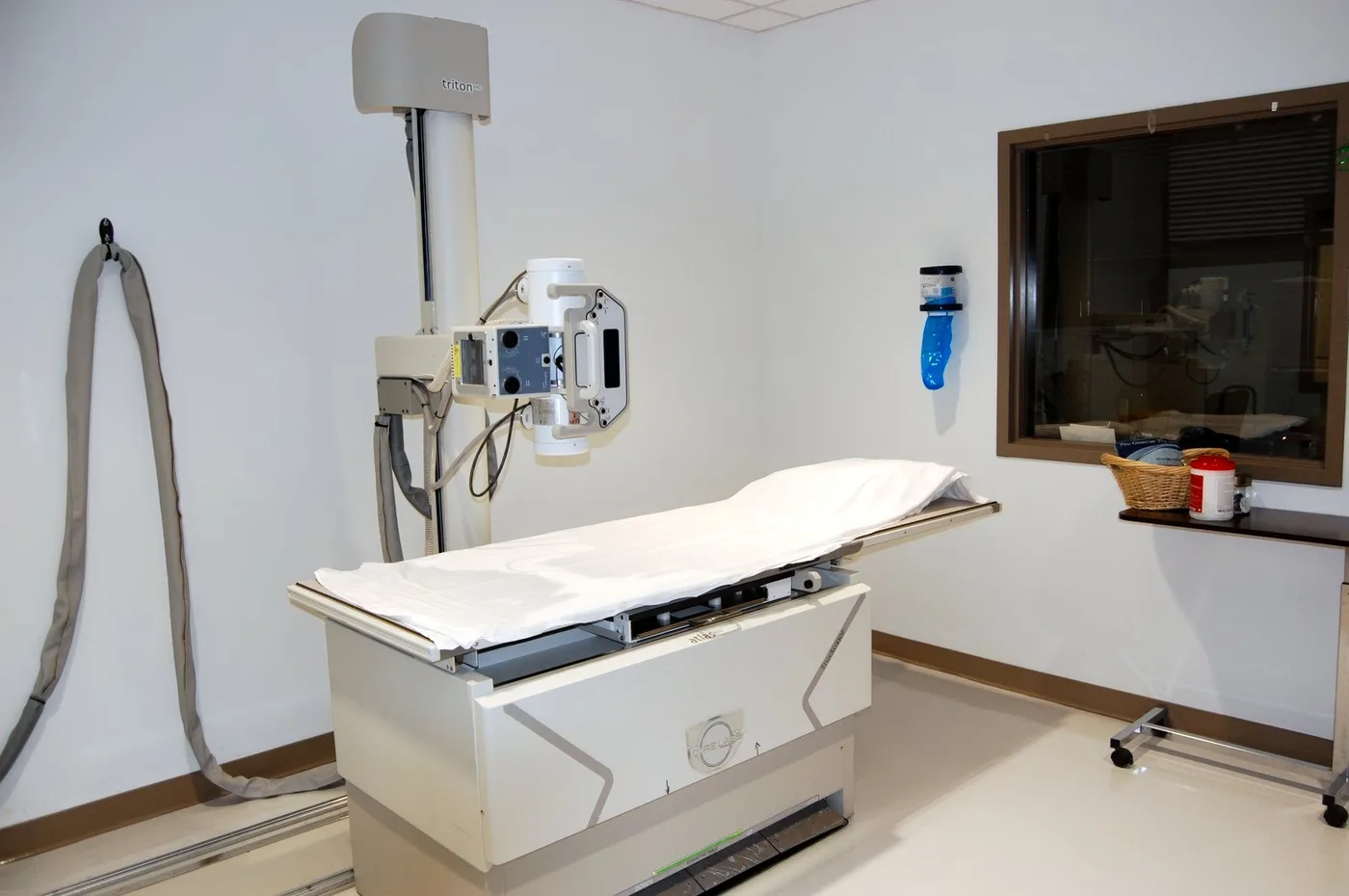 Digital X-ray
-
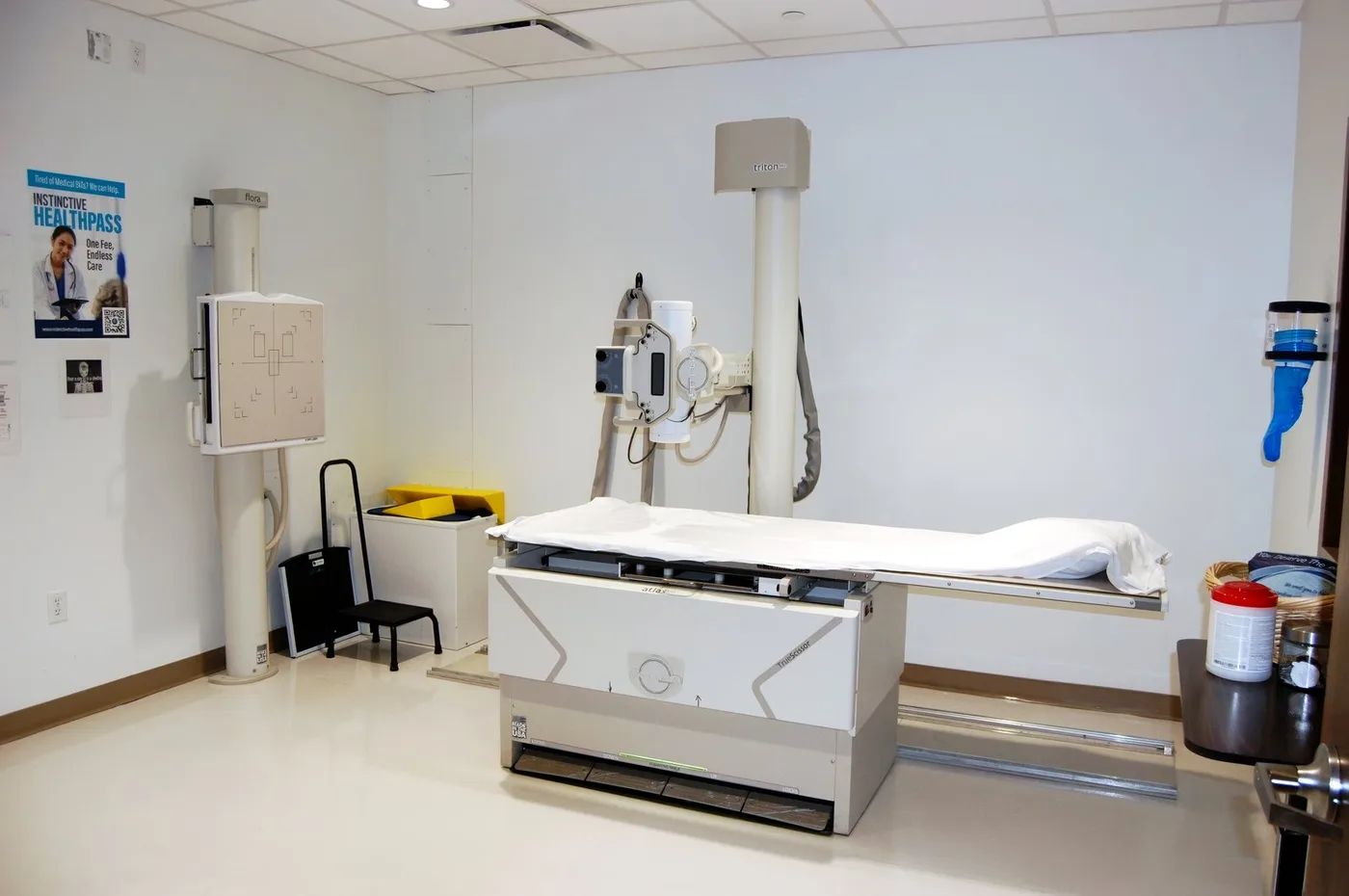 A second imaging room
From the front door to discharge
-
You arrive
Walk in any hour. Tell the front desk what is wrong — no appointment, no online check-in required.
-
You are assessed
A nurse takes your vitals and history quickly, and the most urgent patients are always seen first.
-
You see a provider
An emergency physician examines you and orders any imaging or lab work needed — performed here.
-
You leave with a plan
Written instructions, prescriptions if needed, and follow-up — often at our own Medical Clinic.
-
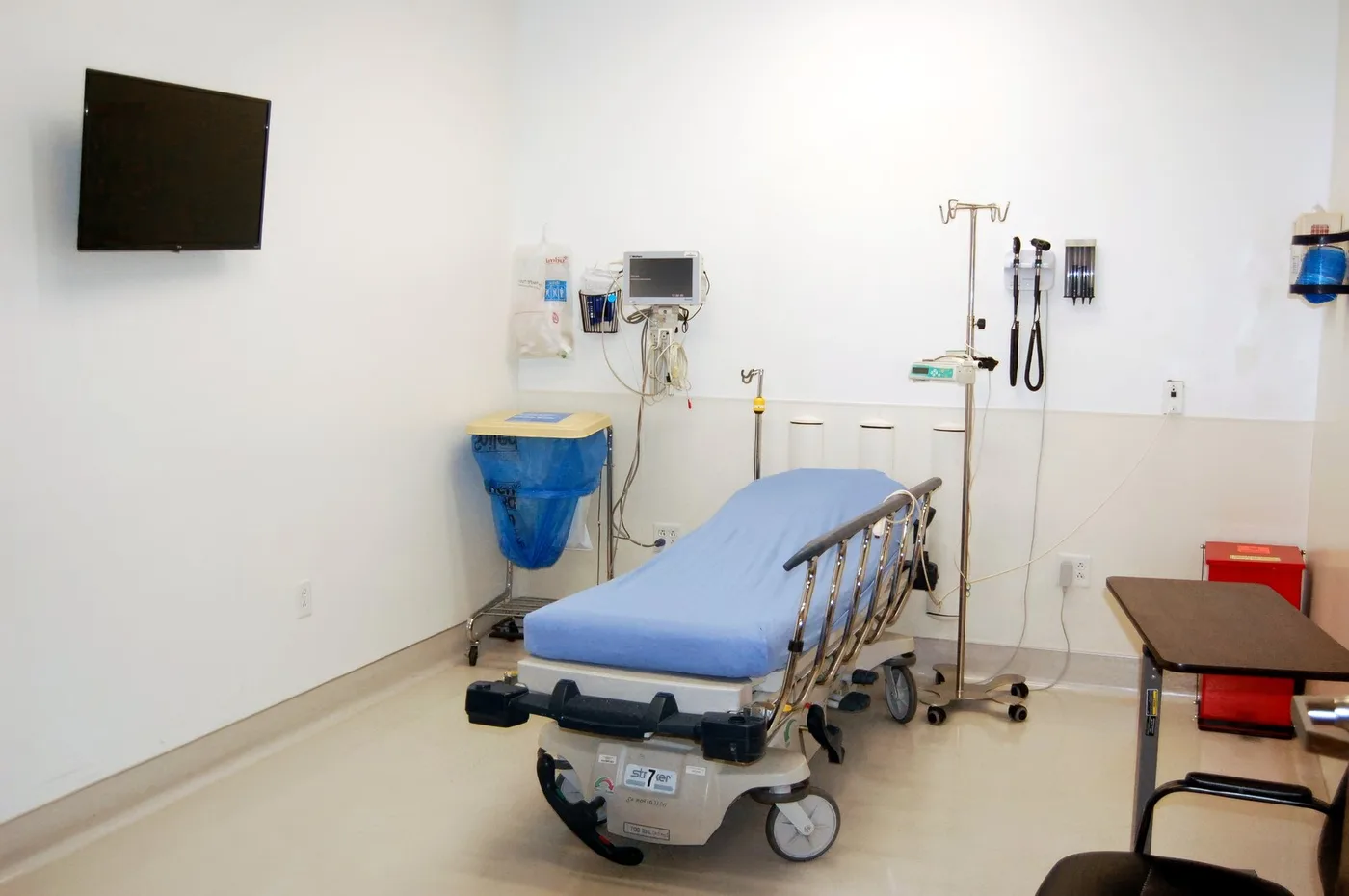 A treatment bay
-
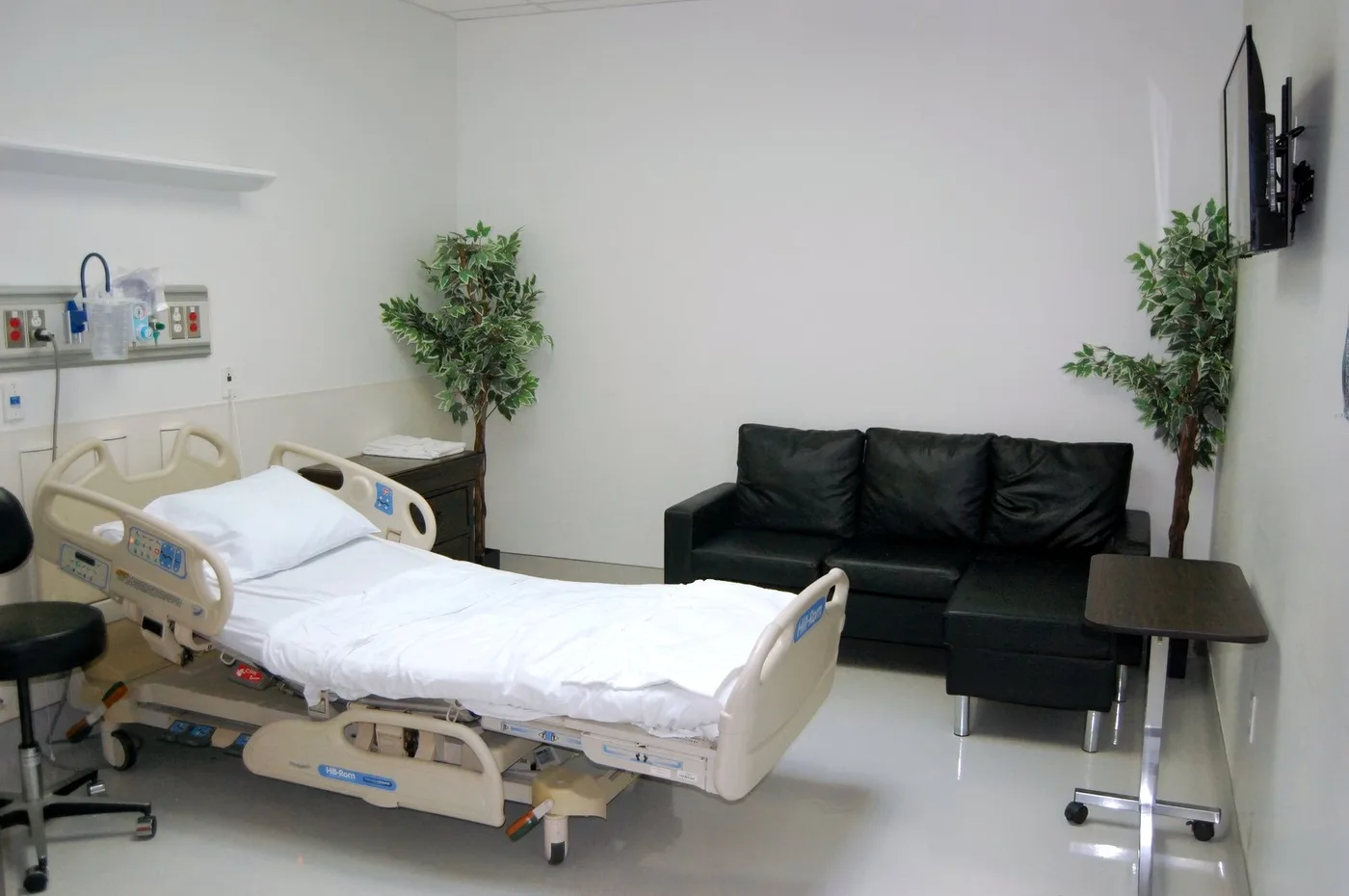 A private room, with somewhere for family to sit
What to bring
Helpful, but never required — we will never delay emergency treatment over paperwork.
-
Photo ID and insurance card
-
A list of your current medications
A phone photo of the bottles works perfectly.
-
Allergies and medical history
-
A family member or friend if you can
A second set of ears helps when you are not feeling well.
Insurance & billing, honestly
Emergency care is billed at emergency rates — the same as any hospital emergency room, and higher than an office visit. We would rather tell you that here than surprise you later.
-
We are in network with major insurers
Including Medicare. Call us and we will check your specific plan before you worry about it.
-
Federal law protects you in an emergency
Emergency care is covered at in-network levels by most plans, and the No Surprises Act limits balance billing.
-
A real person will explain your bill
Our own billing team — not an outside agency — answers questions directly on (480) 339-4825, and payment plans are available.
Why a freestanding ER is usually faster than a hospital ER
There is no inpatient census ahead of you. No ambulance diversions. One department rather than a campus, and no clinic schedule competing for the same physician. That is how the building is organised, not a promise about today.
And triage still comes first: if someone arrives sicker than you, they go first. That is how every emergency room works, including this one — and it is the main reason any single visit can run longer than the figures below. A median is the midpoint, so by definition half of visits take longer than one.
Under 30 minutes
Our median wait from arriving to being seen, year round.
About 1.5 hours
Our median visit, from walking in to walking out.
168 minutes
The national median time spent in an emergency department before leaving, reported by CMS (Timely and Effective Care). Measured the same way as ours, so the three are directly comparable.
Emergency Room questions, answered
Is FHMC an urgent care?
No. We are a fully equipped, freestanding emergency room staffed by board-certified providers 24 hours a day, with CT, X-ray and a full laboratory on site. Ultrasound is arranged through a mobile service rather than kept here. We also operate a separate Medical Clinic for primary care — check-ups, refills, and everyday illness — which is the better choice for non-emergencies.
Do I need an appointment?
Never for the emergency room. Walk in at any hour, any day of the year. Appointments apply only to our Medical Clinic.
How long will I wait?
Honestly, it depends on who else arrives — that is true of every emergency room. What is different here is structural: there is no inpatient census ahead of you, no ambulance diversions, one department rather than a campus, and no clinic schedule competing for the same physician. You are assessed on arrival. And triage still comes first — if someone arrives sicker than you, they go first.
What if I need to be admitted to a hospital?
We stabilize you here and arrange transfer to an appropriate hospital, with transfer agreements already in place. Your provider here coordinates directly with the receiving team.
Do you treat children?
Yes. Our emergency providers treat patients of all ages, including infants and children.
What insurance do you accept?
We are in network with most major insurance plans, including Medicare. Call us with your plan details and we will confirm your coverage. Under federal law, emergency care is covered by most plans regardless of network status.
Will I get a surprise bill?
Emergency care costs more than an office visit — that is true of every emergency room. What we can promise is transparency: our billing team will explain your charges, work with your insurer, and offer payment plans. Ask us before you leave and we will walk you through what to expect.
Should I drive myself or call 911?
Call 911 for chest pain, stroke symptoms, difficulty breathing, or if the person is unconscious. Paramedics start treatment immediately and alert us before arrival. For injuries and other urgent problems where you are stable, driving in is fine.
When minutes matter, we’re minutes away.
9700 N. Saguaro Blvd, Suite 100, Fountain Hills — walk in any time, or call ahead and we’ll be ready for you.